Product Knowledge
Wooden vs Aluminium Reformers: Which Suits a Small Studio?
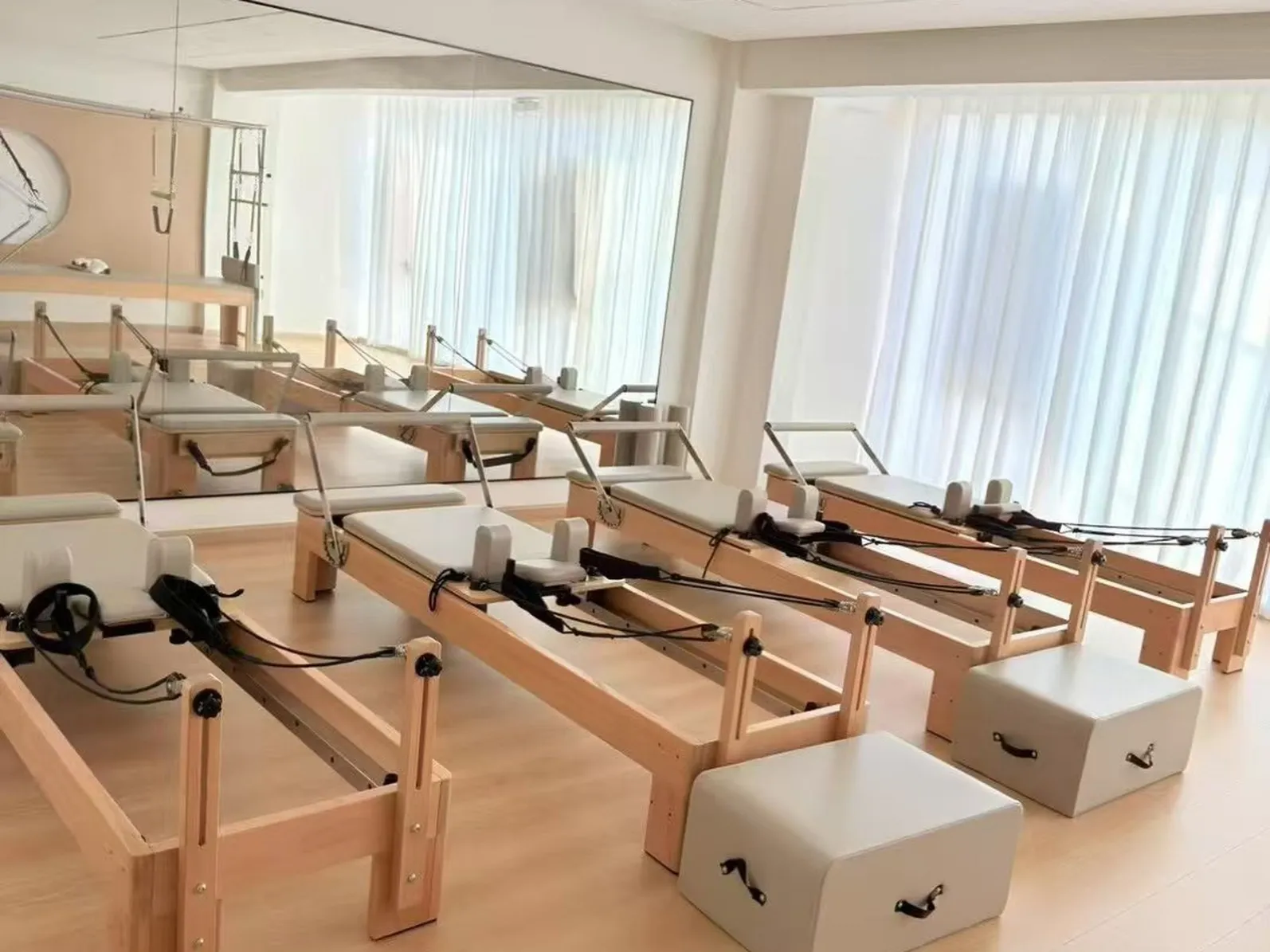
Oak or aluminium? It is usually the first specification decision a new studio makes, and it is often made on looks alone. The frame material changes how a machine feels in use, how it copes with your climate and your timetable, and what it asks of you in upkeep — so it is worth deciding on more than a photograph. Here is how the two options actually differ, and a simple way to choose.
Two different ways to build a frame
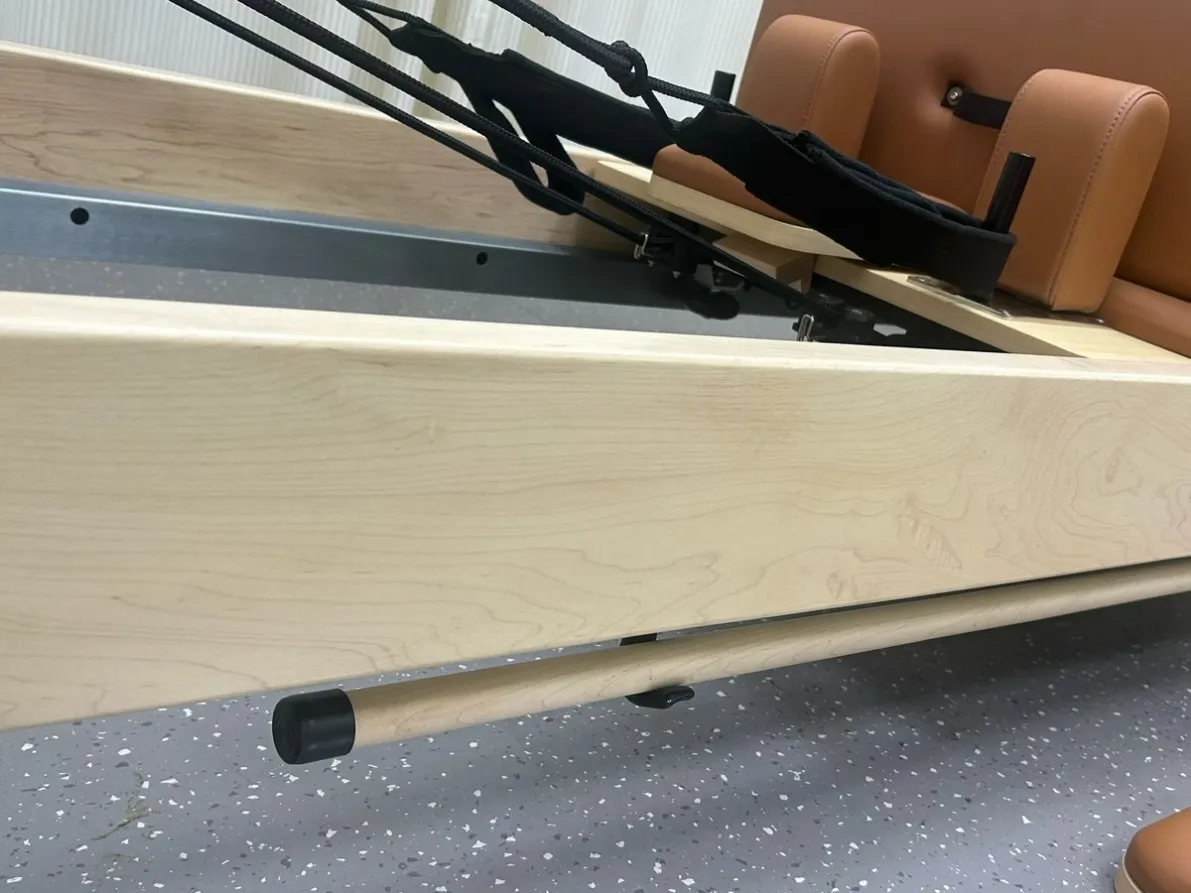
A wooden frame is solid timber. At the value end of the range, oak (rubberwood) frames are built from solid edge-glued panels 28 mm thick — strips of solid wood bonded edge to edge, which is what keeps a wide frame flat, stable and free of the delamination risk that comes with laminated boards. Maple frames use full solid boards, in a 28 mm grade and a heavier 35 mm grade. An aluminium frame is a metal frame: no grain, no timber to swell, and exactly the same look from the first machine you buy to the twentieth.
The case for wood
- The room sells the class. A boutique studio sells an environment as much as a workout, and wood reads as furniture — warm in the room and in your marketing photos. Clients notice it before they lie down.
- It feels planted. A solid timber frame has real mass. Under a strong client working hard, the machine stays where it is and feels like part of the floor.
- It ages gracefully. A marked wooden frame can usually be sanded and refinished by a local carpenter; the machine does not have to look tired because a corner got knocked.
- You choose the weight of timber. Rubberwood gives you the wooden look at the value end; maple in the 35 mm grade is the heaviest-duty wooden frame we offer, for studios that want the most solid feel under the client.
The case for aluminium
- Climate is a non-issue. Aluminium does not absorb moisture. In a humid or coastal studio, the frame itself is one less thing to manage — no swelling, no finish lifting.
- It suits turnover. A metal frame wipes down fast and shrugs off the knocks of a high-turnover room. Physiotherapy clinics and group-class studios that reconfigure their space regularly usually find aluminium the easier machine to live with — and the easier one to shift when the room layout changes.
- It looks clinical and modern. If your studio's identity is clean and contemporary rather than warm and boutique, aluminium matches it without any styling effort.
The parts that matter on both
Whichever frame you choose, the working parts decide how the machine feels every day — and this is where quotations quietly differ.
- Rails. Specify aluminium rails on either frame material. If a specification just says "stainless steel", ask for the grade: the common factory default is 201, which can rust in humid or coastal use. Aluminium rails remove the question entirely. Some models also run the rail as one full-length bar on the outside of the frame — a full-track layout available on both wooden and aluminium frames.
- Springs. A reformer carries five or six springs. German piano-wire springs are warranted for two years against one year for Korean springs — a fair guide to the service life you are buying.
- Upholstery and cover. Microfiber outlasts standard PU leather on machines that run all day. The frame warranty is three years on both materials, so cover is not the deciding factor — your room and your timetable are.
A simple way to decide
- Premium, design-led studio experience → wood. Maple if the budget allows, rubberwood if it has to stretch.
- High-turnover classes, a humid or coastal site, a clinical setting, or a room you rearrange often → aluminium.
- Mixed rooms are common. Plenty of studios put wooden machines in the premium room and aluminium in the high-turnover room; the two sit happily in one order and one shipment.
- If you are genuinely torn, decide by climate and timetable first and looks second. You can style a room around either frame. You cannot change how a frame copes with humidity and daily hours.
Choose with your room in mind
Send us your room size, your class timetable and your city, and we will tell you honestly which frame we would put in it — and quote both ways so you can compare like for like. Start with the wooden and aluminium reformers in the range, or talk to us first and we will narrow it down with you.