Sourcing Process
Buying Pilates Equipment from China as a Small Studio: MOQ, Shipping and DDP Explained
Most Pilates equipment factories are set up for container orders from distributors. A new studio needs something different: six or eight reformers, some chairs and barrels, and a shelf of accessories — all in one shipment, delivered to one address, without hiring a freight department. That is exactly the gap we built Leyue Sourcing for. Here is how buying from China actually works when your order is small.
MOQ: what low minimum order really means
MOQ is per product, not per order. A workable supplier for small studios lets you combine: reformers in single units, chairs and barrels in single units, and accessories in small cartons, all consolidated into one consignment. If a factory quotes you a minimum of a full container, it is telling you it does not want your order size — look for a supplier whose range is built so a whole studio fits in one shipment.
The process, step by step
- Inquiry. Send your equipment list (or just your studio size and opening date) and your city. The city matters: delivered pricing depends on the destination.
- Quotation. You receive the machines, accessories, packing and freight as separate lines, with the shipping terms stated — CIF or DDP (explained below).
- Deposit. Production starts on a 30% deposit.
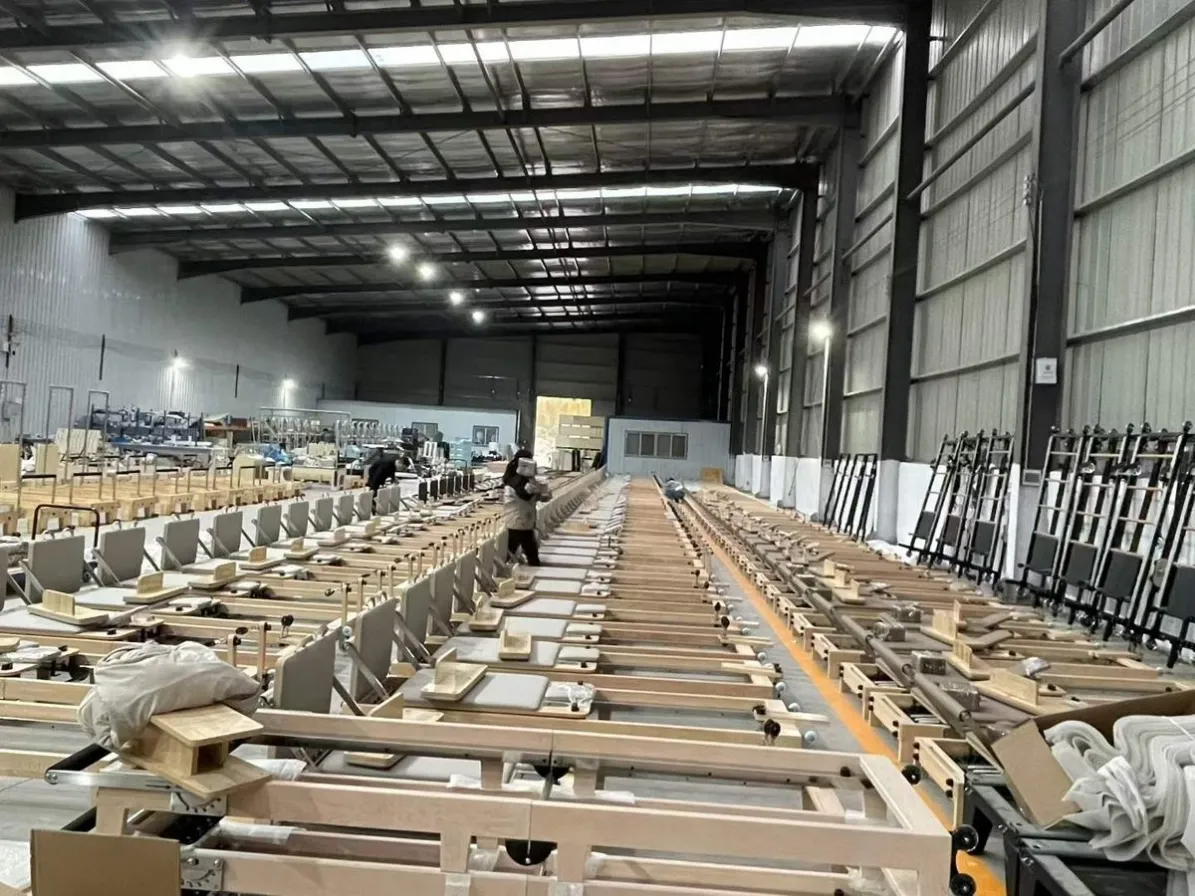
- Production. Made-to-order equipment takes about 15 days.
- Inspection before balance. Before you pay the remaining 70%, you receive photos and video of your finished machines — check the upholstery colour, the configuration and the details against your order.
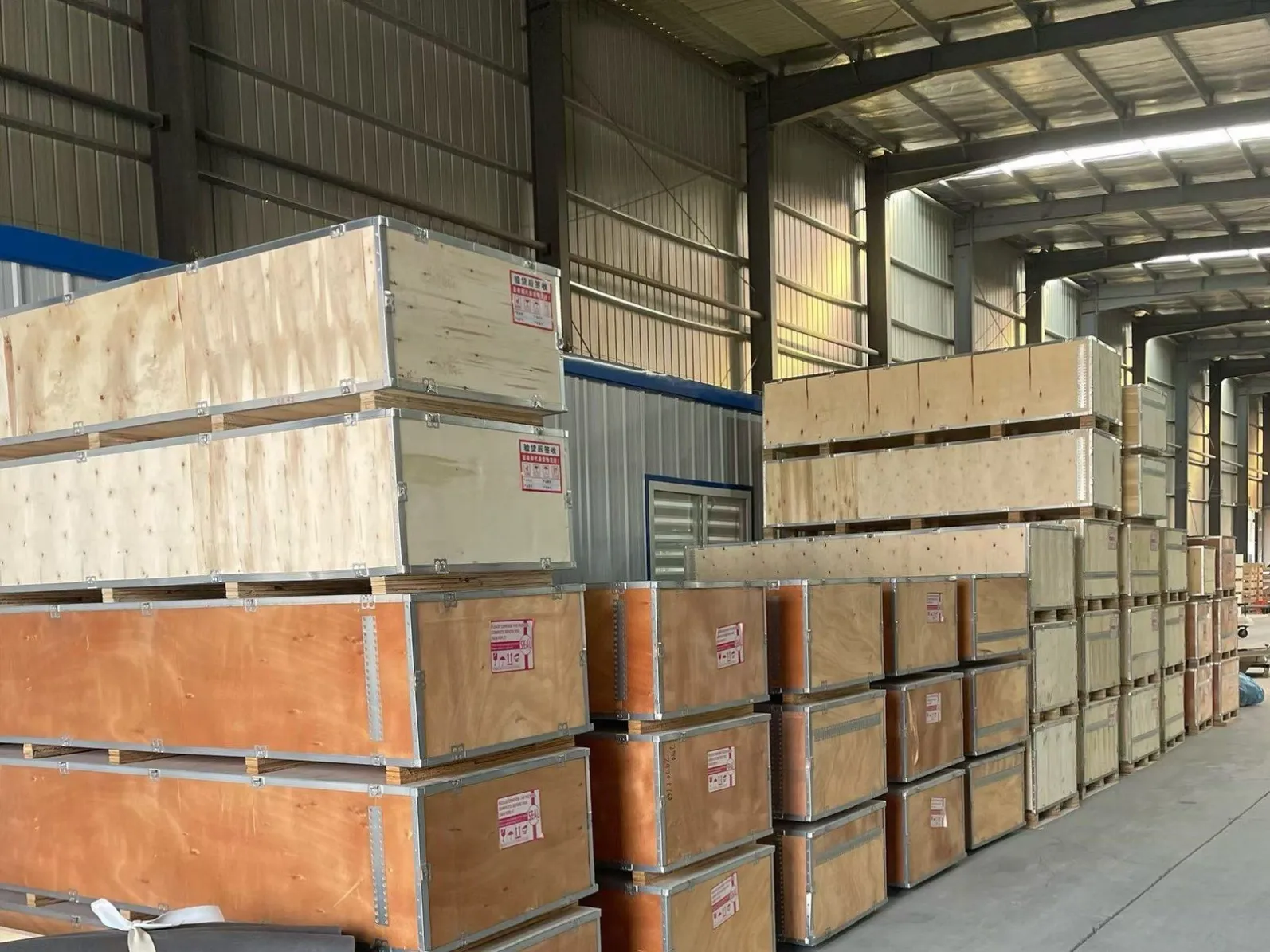
- Shipment and delivery. The goods travel by sea in plywood crates, and you receive the sailing and arrival information as the shipment moves.
CIF or DDP — the difference that changes your budget
Under CIF, the price covers the goods and sea freight to your nearest port. The import is made in your company's name, with the invoice, packing list and bill of lading in your name — which means you handle (or hire an agent for) clearance, duties and local taxes on arrival, and you can deduct import VAT where your tax system allows it.
Under DDP, one price covers everything to your studio door: freight, clearance and taxes included, nothing further to pay. The trade-off is that the import runs under the shipping partner's name, so you do not receive customs documents in your company name and cannot deduct the import VAT.
Neither is better in the abstract. If you have a customs agent and want the VAT back, CIF is usually the right structure. If you want one number and no paperwork, DDP is.
How the freight is charged
Sea freight for equipment is charged on billable weight: the greater of the actual gross weight and the volumetric weight, calculated as length × width × height in centimetres ÷ 6000. A reformer crate is large, so its volumetric weight usually decides. This is why combining everything into one shipment matters — freight tiers improve with total weight, and five separate small shipments can cost more than the machines' accessories are worth.
Packing that survives the trip
Equipment travels in plywood crates. Plywood is exempt from the ISPM 15 fumigation rules that apply to solid-wood packaging, so there is no fumigation certificate to arrange and no treatment delay. Inside the crate, frames are protected and accessories travel in the same consignment.
Three checks before you commit
- Ask which stainless steel. If a specification just says "stainless steel" rails or fittings, ask for the grade. The common default is 201, which can rust in humid or coastal studios; 304 is the grade to specify — or choose aluminium rails and remove the question entirely.
- Record your colours properly. Upholstery colours should be recorded as the colour card name plus the number, so a repeat order two years later matches your first machines exactly.
- Confirm the spare-parts channel. Springs, straps, wheels and ropes wear out. A supplier who stocks parts for your models — and can add them to your next shipment — saves you a machine standing idle.
Start with your list
Send us what you are planning — studio size, equipment list if you have one, and your city — and we will reply with a quotation that shows every line, usually within one business day.